
By the Nine Divines, Oblivion Remastered has descended upon us like a Daedric miracle, and it’s nothing short of divine. In a timeline where Bethesda can be a wild dice roll, this one’s a critical hit, thanks to the combined efforts of Bethesda and Virtuous. This isn’t just a visual upgrade. It’s a heartfelt tribute to Cyrodiil itself, lovingly reforged with modern-day sorcery. You step into the boots of the Hero of Kvatch and defend Tamriel from the Daedric Prince of Destruction, and honestly? Welcome back.
What Is Oblivion Remastered?
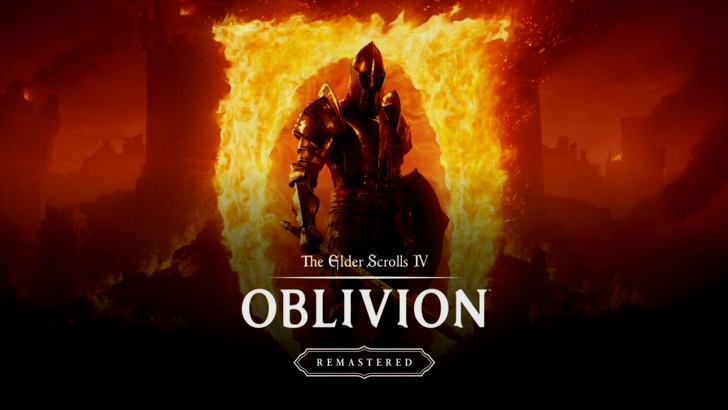
The Elder Scrolls IV: Oblivion Remastered is the reimagined version of Bethesda Game Studios’ acclaimed 2006 action RPG. Set in the province of Cyrodiil on the continent of Tamriel, it keeps the original game’s story, where you play as a prisoner thrown into a quest to stop the Daedric Prince Mehrunes Dagon’s invasion.
After Emperor Uriel Septim VII is assassinated and his bloodline is wiped out, the barriers between Tamriel and the realm of Oblivion start weakening. Oblivion Gates start popping up across the land. Your job is to track down the emperor’s illegitimate heir, Martin, and help him reclaim the throne to shut those gates for good.
The remaster modernizes the experience using Unreal Engine while keeping the soul of the original intact, including the memorable voice acting and animations. It dropped right in the middle of Bethesda’s April 22 showcase, and the whole internet lost its mind.



The Scores at a Glance
Overall, Oblivion Remastered scores 90 out of 100. By the Nine Divines, it came out of nowhere, and what a glorious surprise it was. In an era where Bethesda’s track record feels like a coin flip, this revival lands right on target. Virtuous and Bethesda have skillfully modernized a beloved classic, creating a version that lets longtime fans fall in love all over again while giving newcomers the perfect entry point into Cyrodiil’s sprawling beauty. With upgraded visuals, quality-of-life improvements, and a dash of Skyrim-style polish, this remaster feels less like a simple touch-up and more like a heartfelt love letter to a nearly 20-year-old legend.
The Elder Scrolls series has always nailed the balance between a gripping story and the freedom to forge your own path, and Oblivion is no different, which is why the story scores a perfect 10 out of 10. You start as a nameless prisoner swept into a high-stakes quest to stop Mehrunes Dagon from throwing Tamriel into chaos. Beyond that epic main story sits a goldmine of unforgettable side quests, colorful characters, mudcrabs, and rich stories from the DLCs. It’s an enchanting world that lives and breathes with or without you.
Gameplay gets a 9 out of 10. Going back to the original is almost impossible once you’ve played the remaster, thanks to a ton of quality-of-life improvements that inject new life into the game. Refined combat mechanics, a streamlined UI, and better accessibility options all make everything feel better and more fun. The only thing holding it back from a perfect score is the lack of mod support.
Visuals also earn a 9 out of 10. Cyrodiil has never looked this good. You can still spot the game’s age peeking through here and there, and it has occasional performance hiccups, plus moments where Unreal Engine 5 slightly clashes with the series’ iconic art direction, but the end result is a breathtaking and respectful reimagining of a classic world.
Audio gets an 8 out of 10. This wasn’t just a slapped-on visual upgrade. The audio got a complete overhaul, with crisper combat sound effects and a beautifully enhanced soundtrack. New voice actors were brought in, entire lines of dialogue were re-recorded, and the original voice work was lovingly remastered to meet today’s standards. You might notice the occasional quality mismatch when old and new recordings blend together, though.
Value for money scores a 9 out of 10. At first glance, $50 for a game that’s nearly two decades old might raise some eyebrows. But it delivers serious value by including previously released content like Knights of the Nine and Shivering Isles right in the base package, with countless hours to explore. It’s also available through Xbox Game Pass, which is an excellent way to try it without committing to a full purchase. In an era where remasters often launch at $60 or more, this one stands out as a reasonably priced gateway back into a classic.
A Beautiful and Enthralling Return to Cyrodiil
It was pretty much an open secret that Oblivion would eventually get a remaster. This was the worst-kept secret in gaming history, something even someone like me, living under a rock, couldn’t miss. The real question wasn’t if it was coming, but when. So when Todd Howard and Bethesda shadow-dropped it out of nowhere, it caught the entire gaming community off guard in the best way possible. What most people expected to be a routine announcement quickly turned into a thrilling surprise. Bethesda and Todd Howard have taken their fair share of heat in recent years, with their recent output being a mix of wins and misses. But credit where it’s due: this remaster is a well-earned victory.
From the second the title screen fades in, Oblivion Remastered makes its presence felt. It’s a breathtaking return to one of gaming’s most beloved worlds. And then that opening cutscene hits: Emperor Uriel Septim’s voice, the flicker of torches in the Imperial dungeons, and the year 3E 433 flashing on-screen. It’s a moment that feels huge. Compared side-by-side with the original, it’s obvious this is no simple coat of paint. It’s a full-on cinematic resurrection.
While Unreal Engine has a reputation for making games feel overly glossy or samey when it’s mishandled, Virtuous and Bethesda have mostly avoided those traps. The original tone is carefully preserved. Cyrodiil still feels like Cyrodiil. Sure, some of the darker, more gothic tones of the original are toned down, and occasionally the world leans a little too polished, slightly muting that grim dark fantasy charm it once had. But what you get in return is a landscape that’s often nothing short of breathtaking.
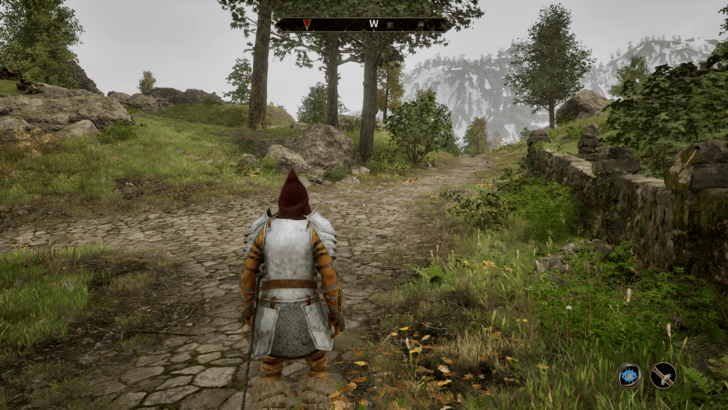
From the overgrown stone walls of the Imperial Prison to the vibrant fields around Odiil Farm, the world is reborn with stunning clarity. The forests feel lush and layered, the grasslands stretch out like painted canvases, and seeing the Valus Mountains, the Imperial City, or Leyawiin in this new light can be genuinely moving. Yeah, the game’s age shows through in spots. Most of the time, though, it’s absolutely gorgeous.
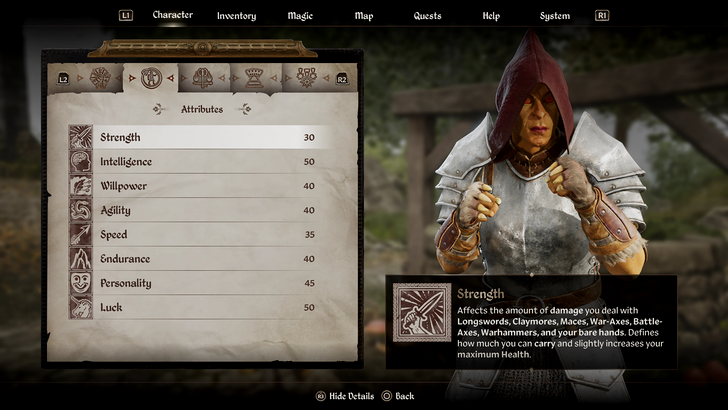
Character creation has gotten a massive overhaul. Every race, from the majestic Altmer to the feral beauty of the Khajiit, feels lovingly rebuilt from scratch with new eye, skin, and hair colors, plus the ability to pick your character’s origin. Models are sharper, expressions are more detailed, and the artistic vision behind each race has never been clearer. As a proud magic nerd, I couldn’t resist going Altmer, and seeing them rendered with such detail and grace was a joy in itself.
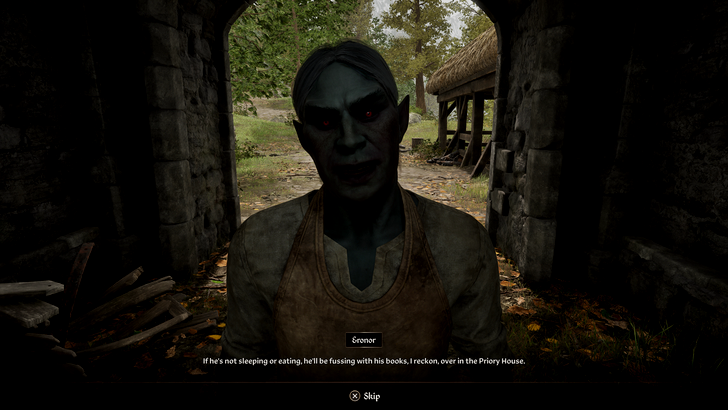
What blew me away most was how quickly Oblivion’s story reeled me back in. Emperor Uriel’s desperate escape, the weighty hand-off of the Amulet of Kings, and the race to find Jauffre. Every plot beat still hits with propulsive force. But it’s Cyrodiil’s citizens who really elevate the experience. Their faces range from striking to endearingly weird, every model clearly handcrafted. Quirky line deliveries, the occasional animation glitch, and immortal memes (yep, the double-take meme is still alive and well) give these NPCs a scrappy charm that time hasn’t touched. Instead of sanding off those eccentricities, the remaster polishes them up, making sure the world’s inhabitants stay just as memorable, and meme-worthy, as ever.
A special shoutout goes to the superb audio remaster, which pushes this beyond just visual upgrades. The team put real care into not just enhancing the original soundscape but also bringing in new voice lines and re-recordings that breathe fresh life into the world.
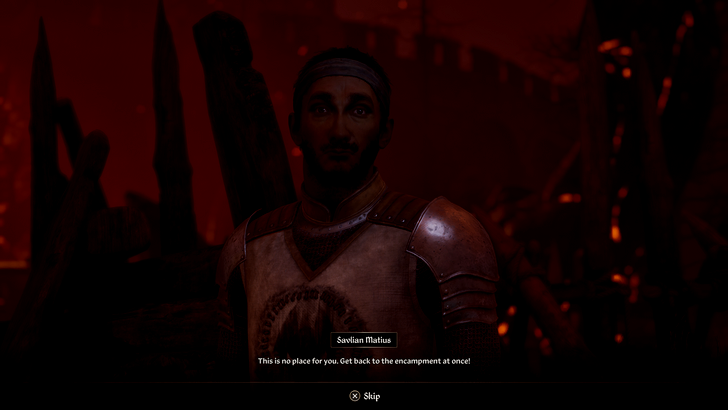
Instead of just upscaling old audio files, the developers went the extra mile, remastering existing dialogue, adding entirely new lines, and in some cases recasting roles to improve clarity and delivery. The result is sound design that feels richer, more dynamic, and deeply immersive. One standout moment came during the “Zero Visibility” side quest, where I noticed the Aleswell Inn interior had freshly recorded NPC dialogue. It’s a small touch, but it makes the world feel more reactive and alive.
This is still one of the most densely packed, lovingly crafted RPGs ever made. Over 100 dungeons to explore, guilds to join, side quests that spiral into entire subplots, and a world bursting with charm and discovery at every turn. Compared to most modern AAA games, Cyrodiil feels alive. It doesn’t just invite exploration. It rewards it. Whether you’re a returning hero or a newcomer finally answering the call, this remaster offers a journey worth losing yourself in all over again.
The Enchantment of Modern Magic
Virtuous and Bethesda could’ve taken the lazy route, upscaling the visuals with AI filters, slapping the “remaster” label on it, and calling it a day. To their credit, they didn’t. Instead, they went above and beyond, treating this not as a cash grab but as a genuine modernization of a classic. It’s a thoughtful reimagining packed with quality-of-life improvements that actually make the experience better.
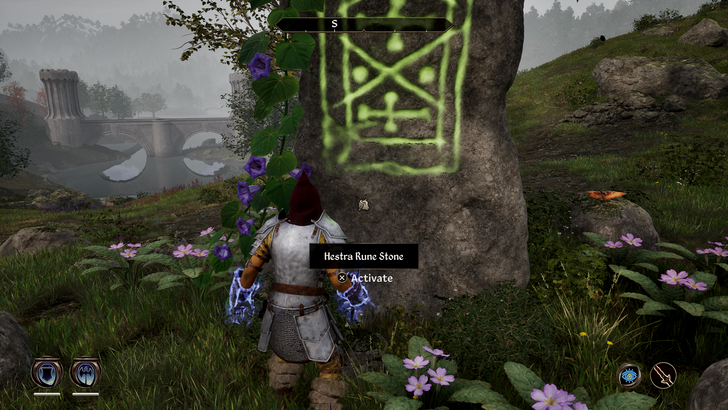
One of the most welcome additions? Sprinting. It might sound minor, but being able to move faster across Cyrodiil’s massive landscapes fundamentally changes how the game feels. It’s smoother, more dynamic, and just more fun. The UI has also been refreshed, staying true to the original’s aesthetic while improving functionality and clarity. Combat got similar love, with reworked animations and better third-person camera controls borrowed from Starfield’s modern perspective. The bow feels more weighted, aiming is more precise, and the overall fluidity in battle is a huge step up.
Even exploration got some love. The compass now shows distance to your objectives, making questing feel more intuitive without killing the sense of discovery. The world map is clearer, menus are faster to navigate, and shortcut keys cut down on downtime dramatically.
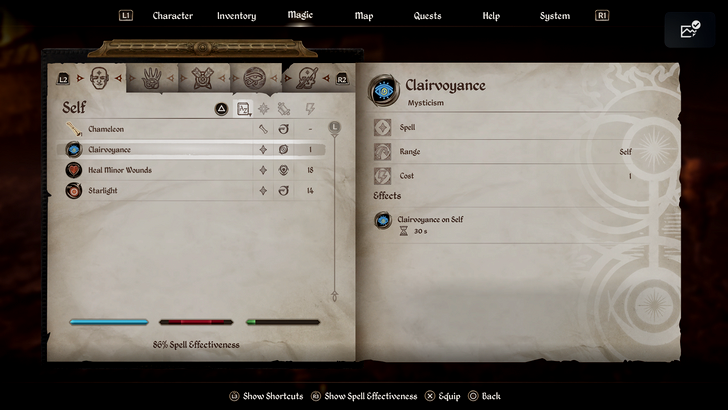
Maybe most impressively, the character progression system now takes the best of both Oblivion and Skyrim. Major skill upgrades contribute significantly to level progression, while minor skills provide smaller, more incremental growth. Enemy scaling has been toned down, creating a more rewarding power curve. You actually feel yourself getting stronger as you level, instead of chasing a constantly moving bar.
The revamped third-person view deserves a special mention too. You can now switch between an over-the-shoulder camera for close-quarters combat and a wider, classic angle for exploration, giving the game a cinematic fluidity its predecessor never quite pulled off. The camera occasionally struggles in tight interiors, but it’s way more comfortable and more immersive than before. New UI refinements make swapping spells instant, which is a godsend for mage-focused builds, while streamlined shortcuts keep swordplay snappy. Fast travel has been reworked to actually feel “fast,” zipping you across Cyrodiil with minimal downtime, and the cleaned-up menus put every essential command within a single button press.
Bottom line: these interface and camera improvements aren’t just cosmetic. They modernize the moment-to-moment experience, making Oblivion Remastered feel intuitive, responsive, and unmistakably modern. With the major expansions included, it’s nearly a complete package.
Please Add Mod Support, Bethesda
Mods have been a cornerstone of Bethesda’s legacy for ages, so much so that they’ve become a major selling point ever since Skyrim exploded onto the scene. From hilariously chaotic to genuinely transformative, mods have kept these games alive, fresh, and deeply beloved by the community. That’s why it stings a bit to hear that Oblivion Remastered won’t support mods. Bethesda has confirmed this, likely because of the switch to Unreal Engine 5, but it still feels like a missed opportunity.
Sure, there might be weird workarounds and tinkering on PC, but for newcomers or console players, the lack of native support is a real barrier. Mods have done way more than just add fun features. They’ve breathed new life into games, extended their longevity, and built tight-knit communities.
It’s genuinely puzzling, especially since the original game had full mod support, that this remaster is missing such a core feature. What makes it even more surprising is the obvious dedication the developers poured into rebuilding Oblivion from the ground up. Every visual upgrade and refined system shows a deep respect for the source material, which makes the absence of mod support feel like a glaring oversight in an otherwise lovingly crafted revival.
Even Modern Magic Can’t Save Performance Issues
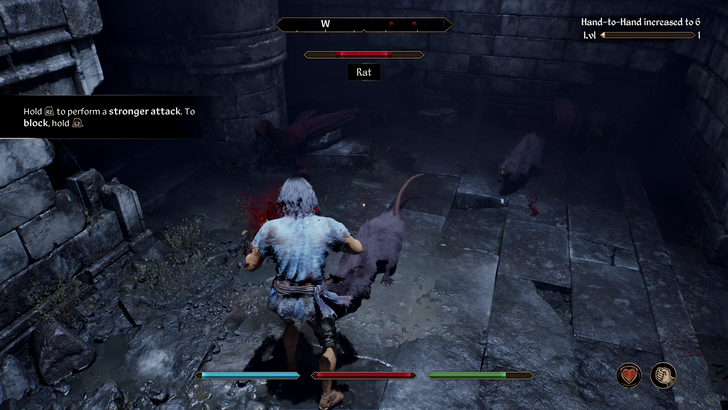
Playing on the PlayStation 5, it’s disappointing to run into performance issues in a game that originally came out nearly two decades ago. While they’re not constant, the occasional stuttering and frame rate dips are noticeable enough to break immersion. That’s an unfortunate blemish on an otherwise impressive remaster.
What makes this even more head-scratching is that most of the original game’s architecture, assets, systems, and underlying code, is still intact. The visual upgrades, while impressive, aren’t so demanding that they should push modern hardware to its limits. This points to a likely culprit: poor optimization.
Here’s hoping Virtuous and Bethesda smooth out these technical hiccups in a future patch, because while they don’t ruin the experience, they do occasionally yank you out of what should be a seamless return to Cyrodiil.
Is Oblivion Remastered Worth It?
Oblivion Once Again Proves It’s the GOAT
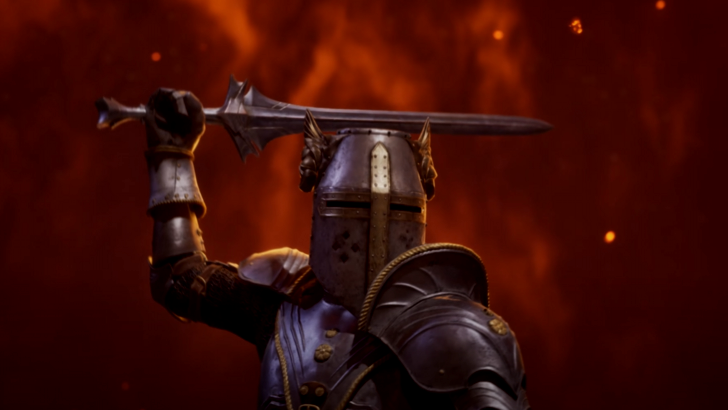
Despite its age, Oblivion Remastered is just as captivating as it was in 2006, maybe even more so. While a few rough edges remain, most can be easily fixed with patches, and the core experience stands tall as a testament to the game’s lasting legacy. This remaster isn’t just a nostalgia trip. It’s a brilliant reimagining that breathes new life into a classic.
Veterans will find themselves rediscovering Cyrodiil through a modern lens, with familiar quests and landscapes feeling revitalized by enhanced visuals and smoother mechanics. For newcomers, this is the perfect invitation to explore one of the most influential RPGs of all time, one that still feels more alive and immersive than plenty of modern AAA titles.
It’s a game you can easily lose hundreds of hours in without even realizing where the time went. And now, all that’s left is for Virtuous and Bethesda to complete the circle: bring in full mod support, just like they did with Starfield a while back.
At $50, it’s a worthwhile investment for the experience alone. If you’re looking for a budget-friendly option, it’s also on Xbox Game Pass.
Does Oblivion Remastered Standard Edition Include All the DLCs?
Nope. The standard edition includes the major expansions Shivering Isles and Knights of the Nine, but it leaves out the smaller DLCs like Mehrunes’ Razor, the Akatosh-themed armor and weapons, and yes, even the infamous Horse Armor. It’s also worth noting that the digital artbook and soundtrack aren’t included in this release. Only the Deluxe Edition has those.
What Are the PC Requirements to Play Oblivion Remastered?
The Elder Scrolls IV: Oblivion Remastered Minimum Requirements
The Elder Scrolls IV: Oblivion Remastered Recommended Requirements

Final Verdict
The Elder Scrolls IV: Oblivion Remastered delivers an excellent experience with a score of 90/100.