
DragonSword: Awakening is a pretty solid open-world action RPG that borrowed the gacha formula without most of the genre’s usual headaches. Its gameplay systems don’t always play nice together thanks to some design missteps, but the gorgeous visuals, engaging story, and killer sound design make it feel like a real, complete game. Bottom line? It’s absolutely worth the price of admission, just be ready for some grinding in the form of gacha-style repetitive progression.
What’s DragonSword: Awakening?
DragonSword: Awakening is an anime-style open-world action-adventure RPG set in the continent of Orbis, and it serves as the spiritual successor to the beloved MMO Dragon Nest. You play as Lute, a young boy with a gift for healing magic who’s heading to the eponymous kingdom, the first one ever built by humankind. Along the way he crosses paths with the mercenary Johnny and the elf Castella, who quickly get swept up in his journey and bring some much-needed color to his life.
But there’s a dark shadow hanging over the otherwise peaceful continent, threatening its very existence. Lute’s fate takes a turn when he’s handed the monumental task of tracking down the Heroes of old and uncovering their secrets to take down the Dragon. Can he and his crew rise up to become the Heroes who save the land from destruction?
This is a big package: an open-world action RPG with gacha-like progression, trio-based tag combat, 19 playable characters, a lengthy narrative, and side quests to chase down. It’s a PC game, and there’s a Steam page waiting for you.

A Gacha With a 100% Pity Rate
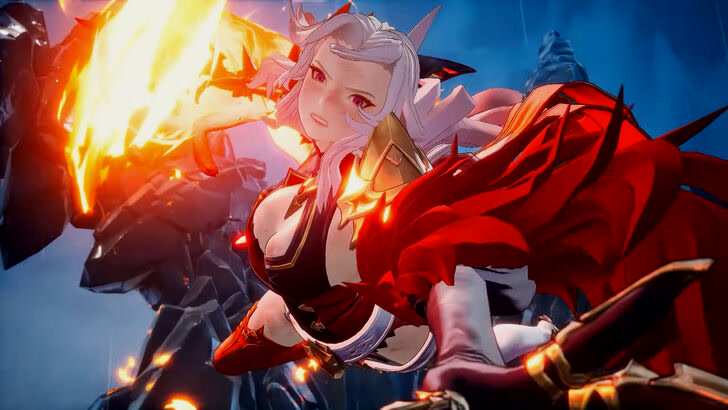
Going from a live-service game to a full single-player package is no easy feat, especially when everything you’ve built is designed to keep players hooked long-term. Look at Granblue Fantasy: Relink, for example. It made the jump from a gacha game to a full-blown action RPG, it’s been a hit since launch, but the fact that it took a decade to develop tells you just how tricky that pivot really is.
You could also argue that being called a spiritual successor is almost as tough, especially when the “sequel” doesn’t really share the same DNA as the original and is just kinda similar. The hardest part about a spiritual successor is the expectations that come with it, since even a small design difference gets magnified by the original game’s diehard fans. Take SAROS, for instance: most fans felt the difficulty didn’t quite match RETURNAL’s challenge, even though it was still pretty tough.
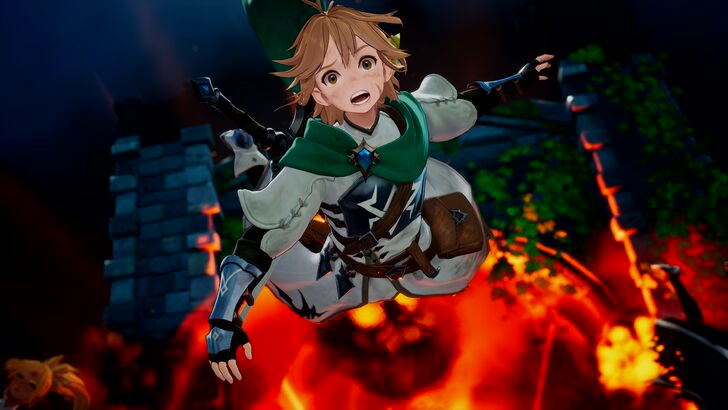
And then we’ve got HOUND13’s DragonSword: Awakening, a game that pivoted from a nearly-finished gacha into a full-blown action RPG while also trying to be a worthy spiritual successor to one of the most beloved MMOs of its era, Dragon Nest. Safe to say, the game’s got some seriously steep hills to climb.
After spending time with it, I’ve got to say I was pretty impressed with what they pulled off, especially when you consider the context of how this game came to be. The gameplay flaws are hard to ignore, mostly because they stem from its gacha origins. Even so, the game still manages to feel complete despite these issues, and the great visuals, engaging story, and sprawling world make it worth the rough edges.
An Interesting Story Held Back by Inconsistency
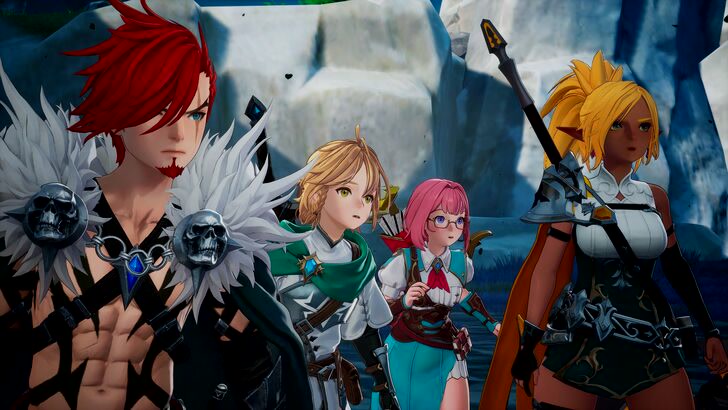
DragonSword: Awakening follows Lute as he travels alone to the land of Orbis. Once there, he gets roped into a mercenary crew led by Johnny, a loud and brash captain, alongside Castella and Aria. As they try to make a name for themselves as a mercenary group just trying to get by, things take a serious turn for the future of Orbis when the mythical Origin Dragon returns after 60 years.
The Johnny Mercenaries have to track down the mythical Six Heroes, deal with the Dragon’s arrival, and work toward getting strong enough to earn the title of Dragon Sword. That’s when they start uncovering the real secrets behind what happened years ago, as well as the truth about Lute’s existence.
The story premise might sound pretty standard on paper, but the character dynamics and moving parts make it genuinely compelling. The worldbuilding shows just how deep the pool is for what the game considers its main cast, and this really comes through in how the narrative uses Lute.
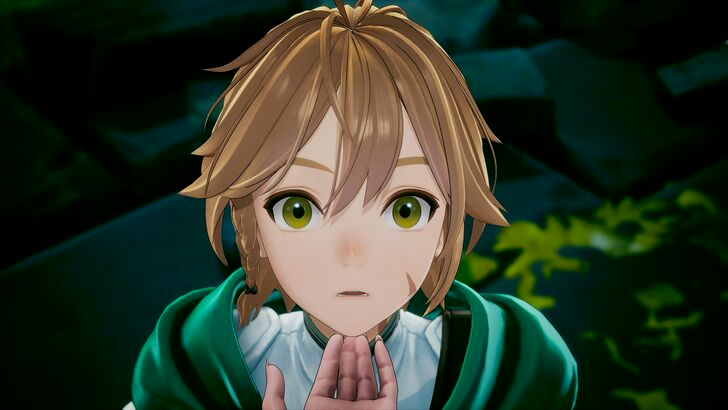
For example, Lute doesn’t actually get the most screen time in most scenes. He’s mostly there reacting to the group’s crazy antics and doing all the grunt work. But once you start learning more about the truth of the Six Heroes, and the hints pointing to Lute’s actual role in the bigger picture, his character turns into a mystery you piece together as you uncover what really went down 60 years ago.
Without spoiling too much, only a small part of the Six Heroes’ myth is public knowledge, so part of the story involves meeting each of them as they recount what actually happened during and after the fight with the Origin Dragon. That’s where things get really interesting, because the Six Heroes aren’t quite as heroic as everyone made them out to be.
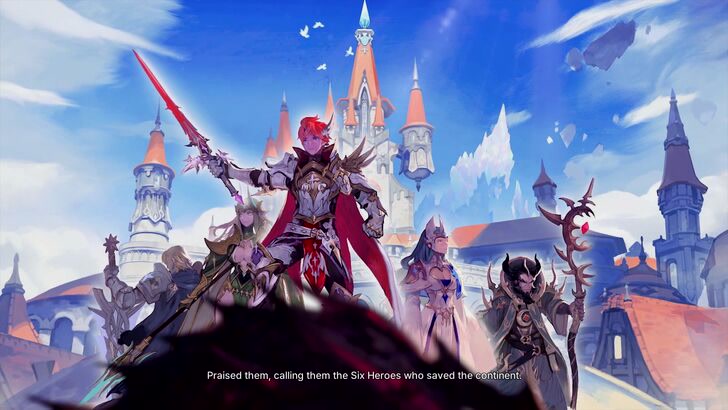
One question that comes up early is why there are only five commemorative statues for a group of six people. This becomes the backbone of the whole narrative, and it’s what drives you to find the aging heroes and figure out who Lute really is.
And that’s not all. The rest of the cast also pull their weight in making the story entertaining.
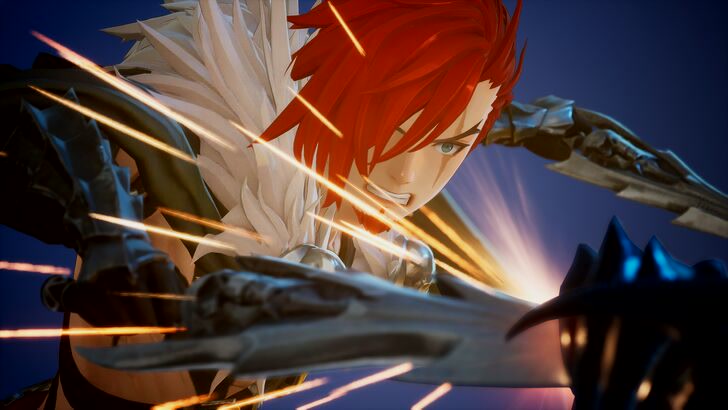
One standout example is Johnny, who acts as the crew’s “irresponsible” mouthpiece. He comes across as your classic joker with a heart of gold, willing to do whatever it takes to help his crew stand out and get ahead while also helping people in need. This really comes to a head during one of the story’s first big climactic moments, where he’s the only one who figures out Lute’s identity early on.
Maybe it’s because I’m a sucker for characters who start out comedic but get thrown into serious situations, but the way the game shows off Johnny’s skills and serious side as a mercenary captain was one of the biggest reasons I found the story so gripping.
That said, the narrative isn’t perfect, since the way all these moving parts interact creates some problems. The pacing inconsistency shows up pretty early, with some seemingly important events either rushing by with little consequence or dragging on for no good reason.
One specific example of this was when the leaders of Orbis hold a strategy meeting to figure out how to deal with everything that’s happened so far. For some reason, this whole meeting is split across four cutscenes, and after each one you have to physically walk up to the person to continue. It might sound like a small thing, but it really highlights the game’s quest design issues.
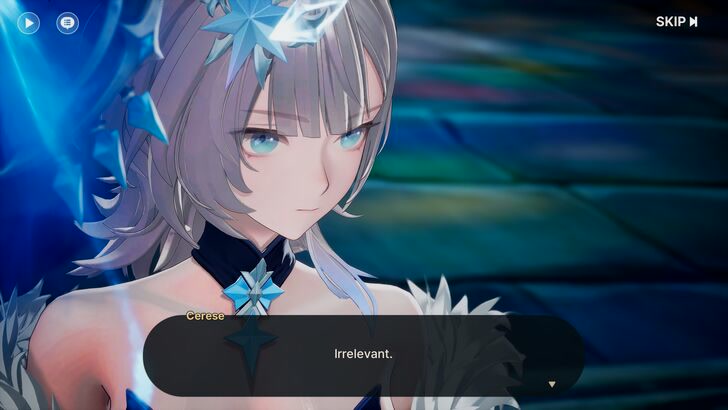
Another issue is the number of what end up being “filler episodes,” especially when they drag on too long given that there’s a world-ending threat on the way. It’s a really jarring tonal shift, especially when a major event just happened and then suddenly you’re doing a fetch quest to carry a box from point A to point B.
Even with these problems, the story stays really compelling, especially once it hits its stride and reaches those big climactic moments. That, combined with the colorful cast, made for an entertaining ride that kept me hooked on learning more about the world of Orbis and all the little bits of lore scattered across the continent.
It Looks and Sounds Great
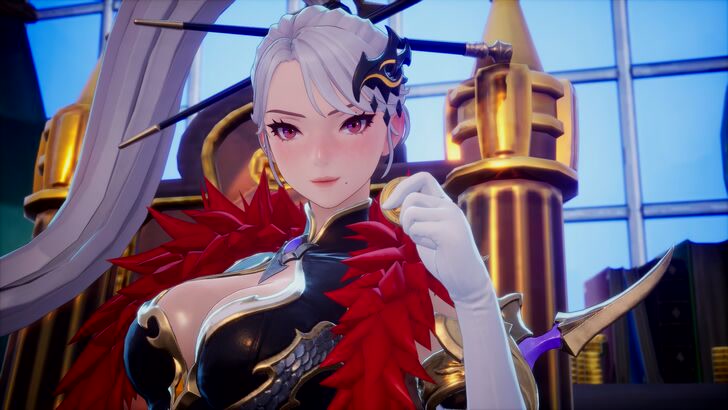
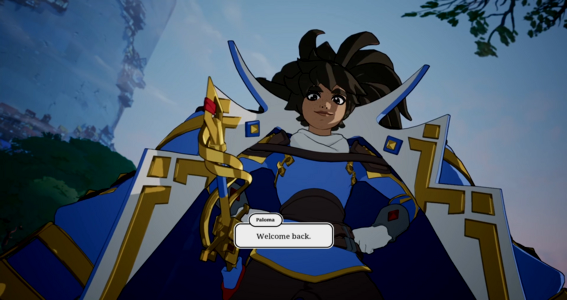
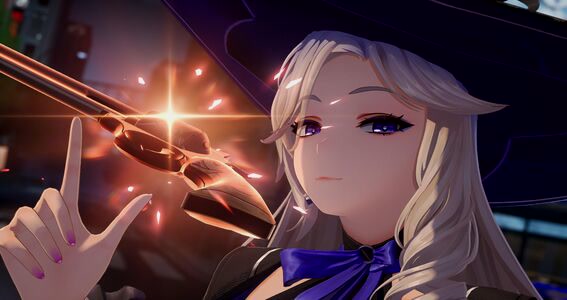
One of the game’s biggest strengths is its overall presentation. From the art style to the character designs to the animations, DragonSword: Awakening makes sure every cutscene pops. This really elevates the whole experience, with the stellar visuals consistently shining through in both story sequences and gameplay.
One weak spot that stood out was the game’s UI. It’s mostly functional, but there are times when it looks off and other times when it’s just not helpful at all. A good example is in the Trait Dungeons, where it shows an encounter’s weaknesses as words instead of using the element logo.
I’m not kidding when I say I’m 20 hours in and I still can’t remember the elements by their actual names. That’s because they’re not normally shown in the inventory or character screen, where you spend most of your time, only the element logos are displayed there. So imagine my confusion when the game throws a bunch of words at me that I’ve never seen before.
Thankfully, it wasn’t a huge deal since I was still able to brute-force my way through encounters with my team, but I can’t help but think it would’ve gone a lot faster if I actually knew which element was best against each fight.
On the bright side, the sound design was really well done, especially the voice acting. I don’t understand Korean, but the performances are so colorful and expressive that they give you context for what’s happening alongside the subtitles. That was a nice surprise I didn’t expect to enjoy as much as I did.
The Gameplay Loop Feels Familiar
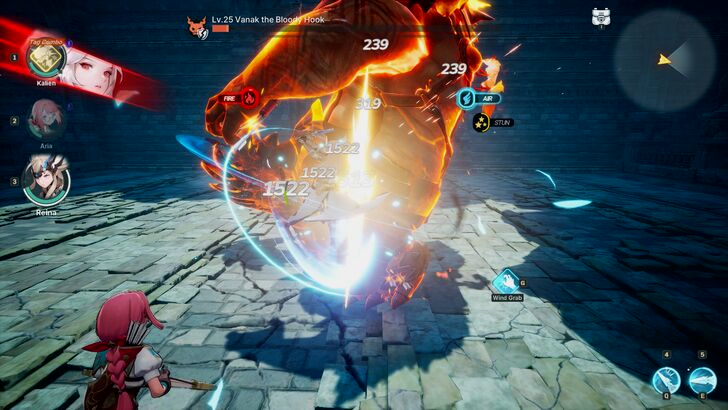
Let me address the elephant, or rather elephants, in the room when it comes to DragonSword: Awakening’s gameplay.
Yeah, the comparison to Mihoyo’s Genshin Impact is pretty obvious. The open-world RPG gameplay loop, combined with the look and certain mechanics, does feel very similar to that gacha. And yeah, the character-swapping and tagging gameplay loop is a staple of the gacha genre. You’ll find it not just in Genshin, but in other gacha games like Wuthering Waves, Neverness To Everness, and plenty more.
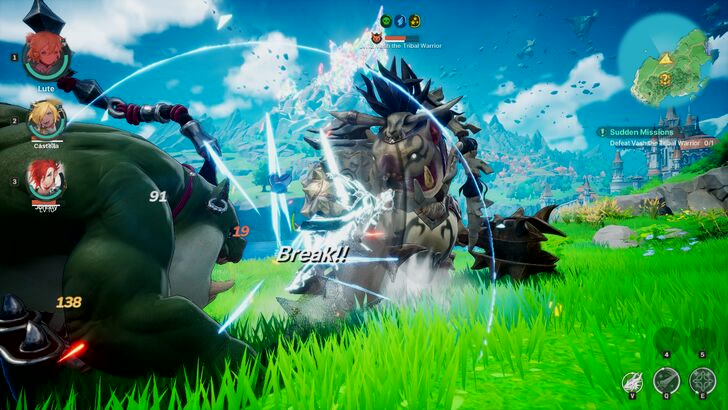
Unfortunately, if you were hoping for combat as deep as its spiritual predecessor, Dragon Nest, you’re going to be disappointed. While the MMO prides itself on being the “fastest MMO out there,” that’s not really the case for DragonSword: Awakening. The game takes most of its inspiration from gachas, and I’d say the Dragon Nest influence is mostly surface-level.
These comparisons, while fair, are only part of the problem. They actually lead into the game’s biggest weakness: the gameplay loop feels formulaic, largely because it borrows so many elements from other gacha games. We’ve reached a point where the open-world RPG formula has become so oversaturated that it just doesn’t feel fresh anymore.
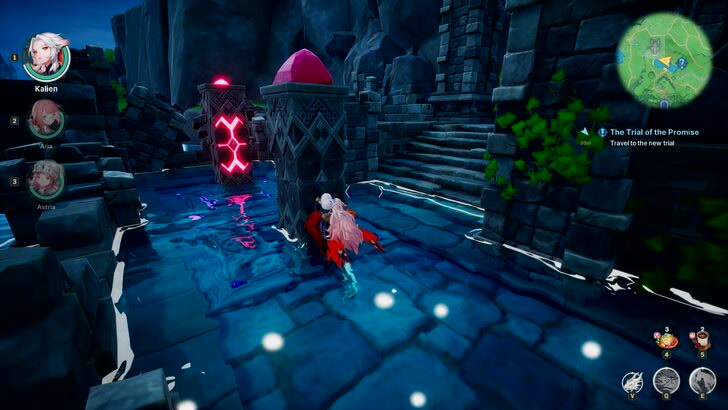
Exploration in DragonSword: Awakening doesn’t feel as organic as it should in most open-world RPGs, and I’d mostly chalk that up to its gacha DNA coming before its action RPG ambitions. It might be unfair to say it’s just going from one point of interest to another, but that’s basically what ends up happening.
This definitely happened to me. I found myself checking the Mercenary Guide most of the time to find World Boss or Dungeon locations and beelining straight to them to grab rewards or unlock another Warp point. That’s not to say exploration is completely pointless, since there are hidden puzzles in the world that do reward you for putting in the effort to find them. But most of the time, these end up being a side activity to do when you’ve run out of things to grind for.
Combat Feels Great, Then Falls Apart
Now let’s talk about the combat, which actually has some redeeming qualities beyond its simplicity. First off, fighting in DragonSword: Awakening feels great. The animations are snappy, the impact is satisfying, and the simple controls are easy to pick up.
Another reason it feels good is the Tag system, which lets you use multiple characters in a single fight while highlighting another fun aspect of the game: team-building. Team-building in gacha games is nothing new, and DragonSword: Awakening leans into this with its tag system that’s built around triggers.
For example, Lute’s Swordgrab ability can be used when an enemy is Stunned, so building around Lute means you’d want teammates who can reliably build up Stun with their attacks and abilities. This lets you rotate your tags constantly and take advantage of free skill uses that are separate from that character’s basic abilities.
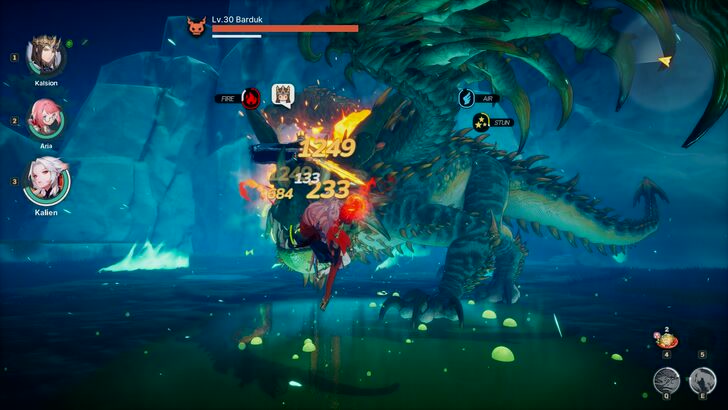
The Tag mechanic is so central to combat because of the Break gauge. A successful Break on an enemy opens a window where they don’t have Super Armor, and you can freely attack them without worrying about getting hit back. This works on Boss enemies too, which means good team synergy and characters with strong Break damage can turn every fight into a cakewalk.
In my case, I mostly ran a team built around the Burn mechanic. The trio of Kalien, Aria, and Kalsion had super synergistic abilities that let me keep my skills on cooldown, Break enemies fast, and swap members as needed. On top of abusing the Tag mechanic, they’re also really strong individually in how they play.
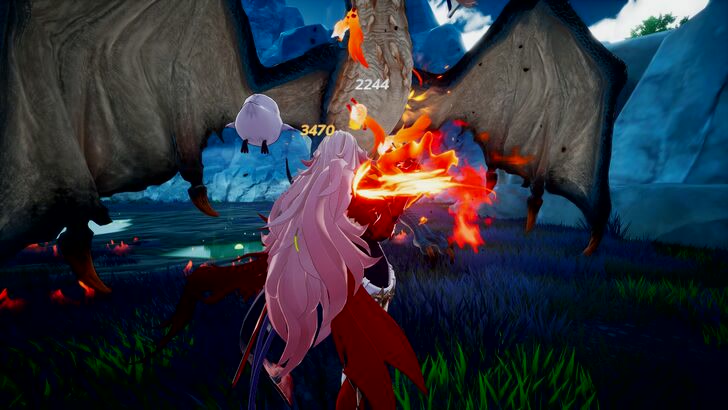
But as fun as team-building and constant tagging are, they create another problem: the simple mechanics make the difficulty completely fall apart. Now, I won’t lie and say the game was a total cakewalk the entire time, but I also can’t think of a single encounter that felt remotely threatening once I got this trio together.
There was no real skill involved in what I was doing. It was just a constant loop of using my abilities, tagging when available, then attacking to deal more damage and build up more Burn to get even more abilities out. Rinse and repeat.
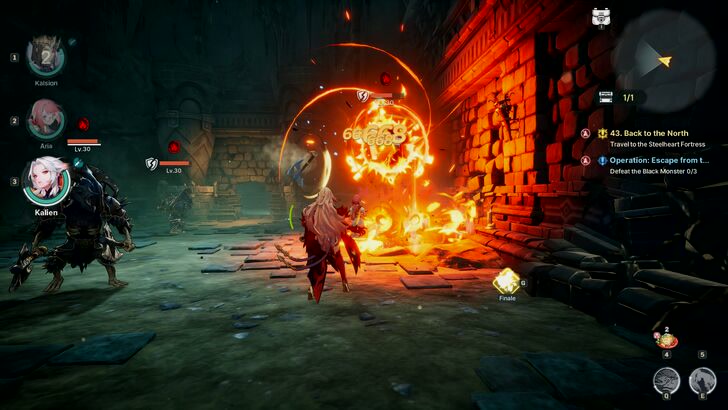
The combat loop basically became “when and where am I going to use my Tag, if not right now?” You could argue that knowing when to tag is a form of depth, since tagging lets you break aggro and the character tagging out is immune to damage. But when 90% of combat doesn’t require you to think about that kind of nuance, then it might as well not exist.
And while the combat can feel pretty shallow and lackluster once you dig into the mechanics, it’s actually made even worse by the gacha-style progression.
Gacha Progression Makes the Grind Drag
I know I sound like a broken record at this point talking about the game’s systems, but it’s the progression where you feel it the most. For those who haven’t played a gacha game before, progression works a lot like an MMO. You earn a certain currency to trade in for power, whether that’s upgrading skills, leveling up, getting equipment, and so on.
That’s exactly how everything works in DragonSword: Awakening, where the gacha-like grind is front and center. You do an encounter for a specific currency or equipment, then repeat it as many times as you need.
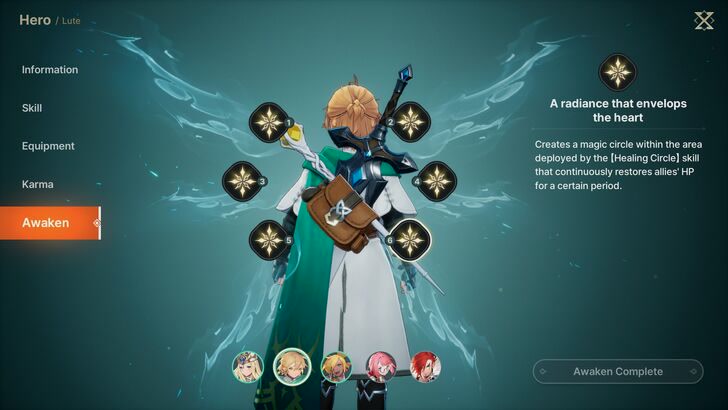
Now, does that mean the gacha progression is all bad? No, definitely not. For one, you can actually get most of the cast without having to gamble your currency away. I say most, because some characters are story-gated, and you’ll need to play through the game’s eighty chapters to unlock all of them.
But this progression style is where the main problem lies. The inherent grindiness means you’re stuck repeating encounters that don’t really challenge you, which just feeds into the even more repetitive combat loop. This is where the systems clash: the slow progression drags out the time it takes to build your dream team, forcing you to keep grinding through a shallow combat loop with simple mechanics and low difficulty, all compounded by sheer repetition.
If it already takes forever to build one dream team, what happens when you want to build more?
The Bottom Line: Worth It, But Prepare for a Grind
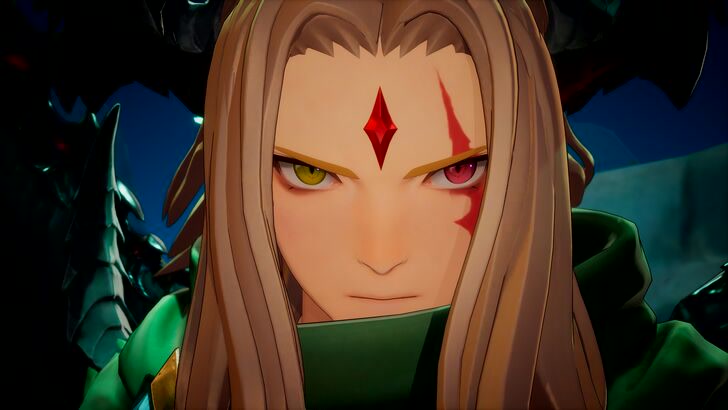
Despite everything I’ve said about DragonSword: Awakening’s gameplay weaknesses, it’s still a game that’s worth the price tag. For $29.99, the high-quality visuals, sound design, and even the story make it worth experiencing, especially if you’re already into gacha-style gameplay. You’re looking at 20 to 30 hours of gameplay, and that’s not even counting the grinding you’ll need to do to fully max out your dream team.
I’d highly recommend it to people who’ve already tried gachas and don’t want to invest in another one, since the 100% pull rate on the characters you want is a huge plus for pretty much anyone. That said, I do want to warn you that it’s gonna be pretty grindy. Maybe not as bad as your average gacha game, but it’ll still eat up a good chunk of your time.


Final Verdict
DragonSword: Awakening delivers a average experience with a score of 76/100.